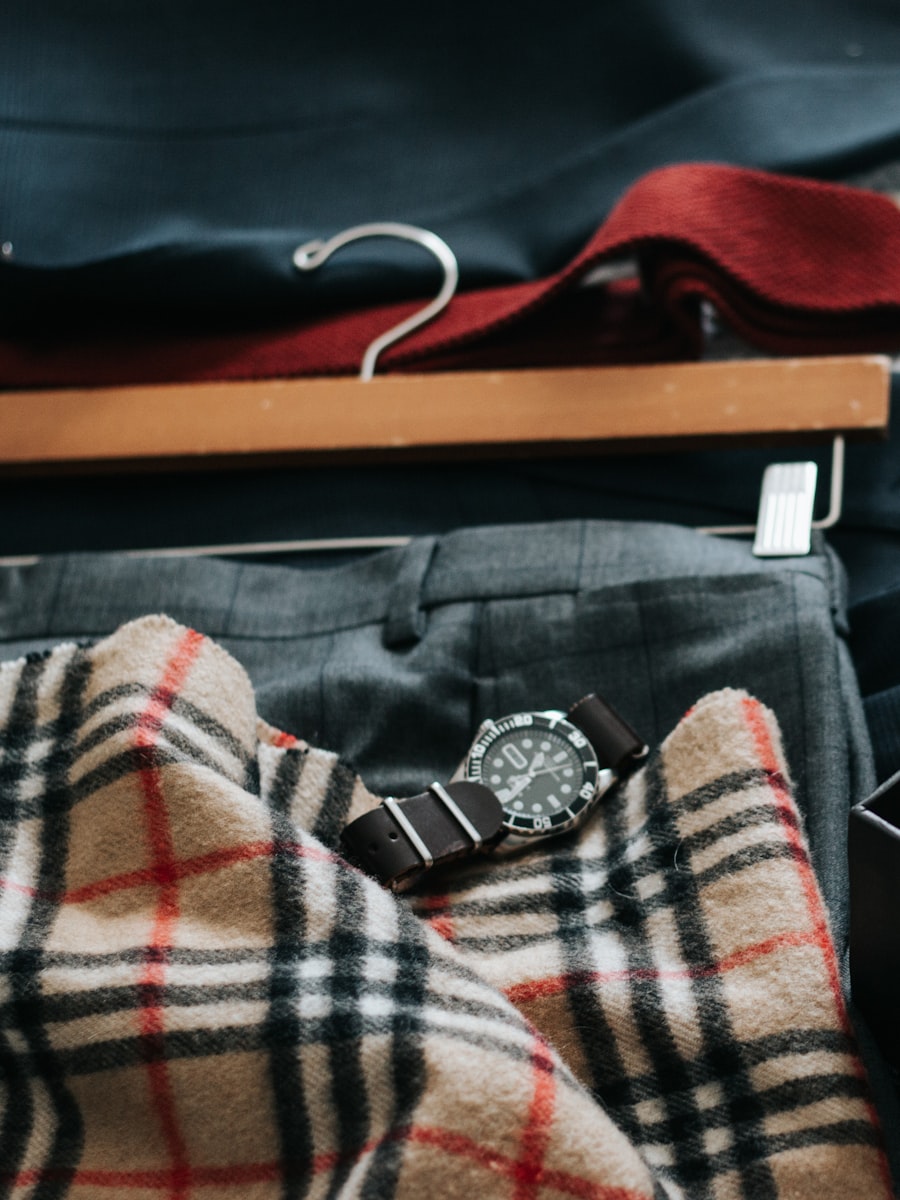

A wider range of fabrics makes a bigger catalogue and a worse wardrobe.
We buy four fibres, and we buy them from the same three mills every season. That is unusual enough that people assume it is a style decision. It is not. It is a decision about what happens to a garment in its third year.
What repetition buys
Buying the same cloth annually means we know how it behaves after fifty washes, how it takes a dye lot, how it moves once it has been worn in, and where it fails. None of that can be learned from a swatch. It takes a season of returns and a season of repairs, and if the cloth has already been discontinued by then, everything learned is worthless.
It also means we can repair what we sell. A seam in a fabric we know is a seam we can match in two years’ time. A shop working through forty fabrics a year cannot make that offer, however much it would like to.
The four
- Wool, spun in Biella. Two gauges: a loose one that drapes, a tight one that holds its shape.
- Cotton, woven in Portugal. A 220gsm jersey and a dense twill, both washed before they are cut.
- Linen, from Normandy. Creases, which is the point, and softens for about a decade.
- Cashmere, in small quantities, because the honest amount is small.
What we give up
Novelty, mostly. There is no season where we arrive with something nobody has seen. We are also slower to react — if a fabric becomes fashionable we are usually late, and if it stops being fashionable we are still making it.
That trade is the whole business. A wardrobe is not assembled in one season, and a shop that changes everything every six months cannot help you build one.