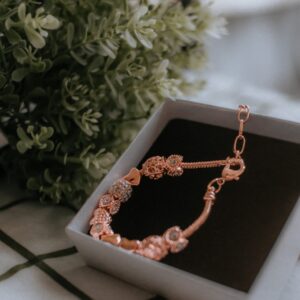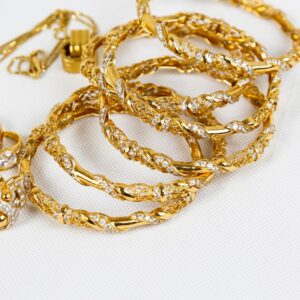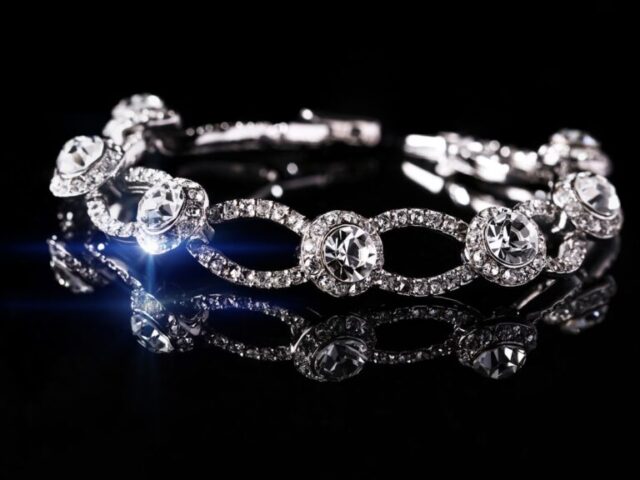
Tennis lines, bangles and cuffs. Each link is closed by hand and the safety catch is fitted as standard, not sold as an extra.
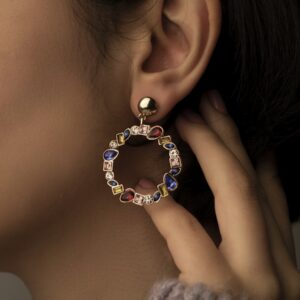
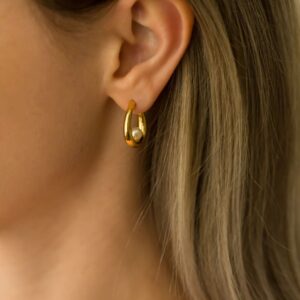
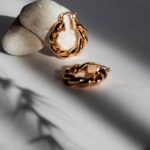
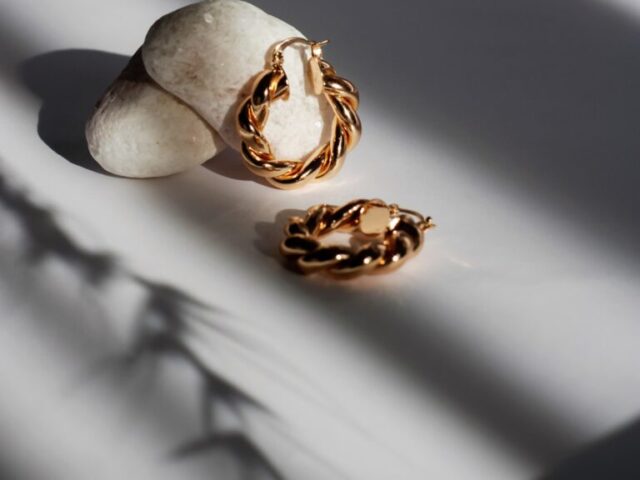
Studs, drops and hoops. Posts are solid rather than plated, and every pair is weighed against the other so the two sit level.
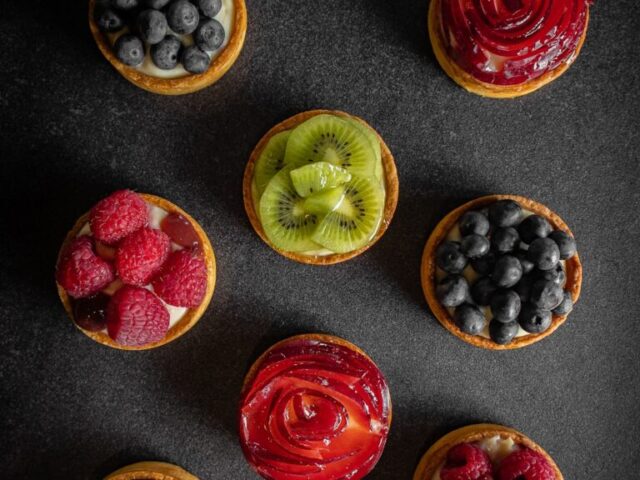
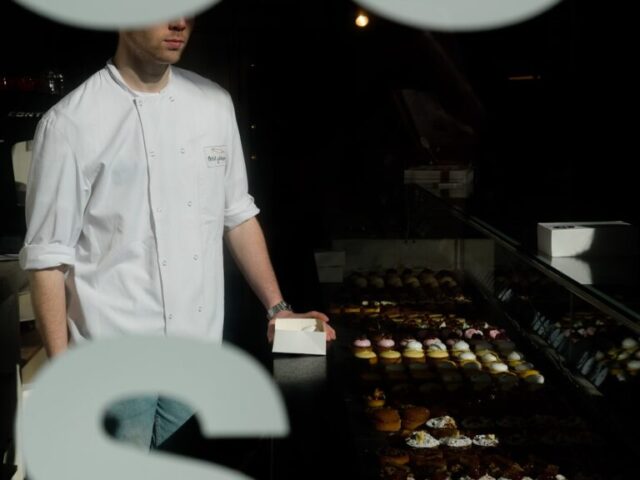
The counter. Made twice a day, sold until they are gone, and never held over — a tart that has spent a night in a fridge is a different tart.
Assortments boxed by hand, with a card if you want one. Sent within the city on the day, or collected from the counter.
One-of-one pieces, and the stones they were built around. Each is photographed, weighed and certified before it is listed, and none of them is made twice.
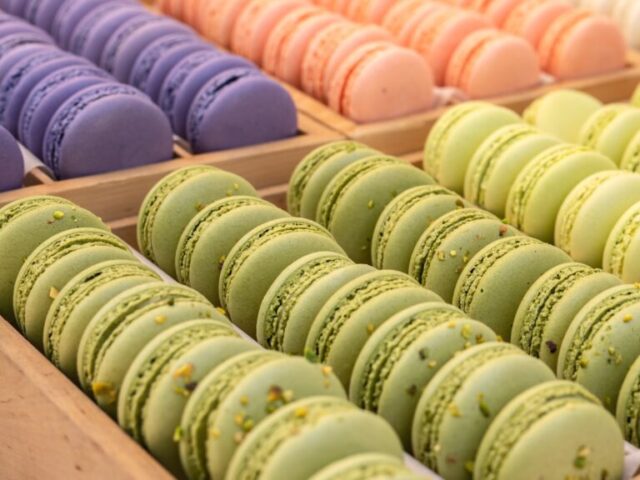
Aged forty-eight hours between shells and filling, which is the step most kitchens skip and the one that decides the texture.
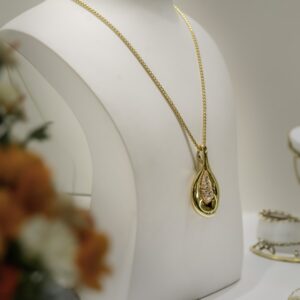
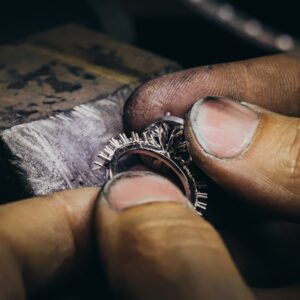
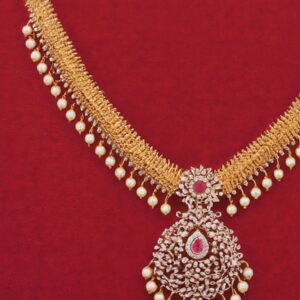
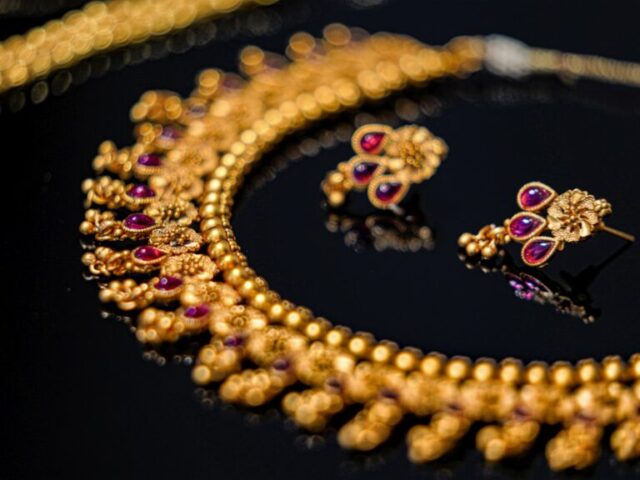
Chains made in the workshop, clasps rated to twice the weight they carry, and pendants that sit where they were drawn to sit rather than where the chain lets them fall.
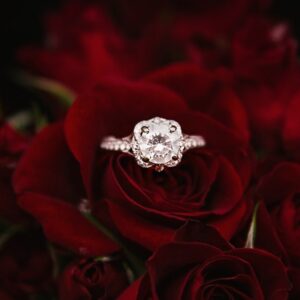
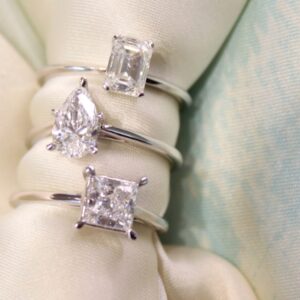
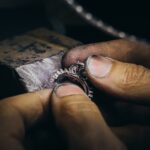
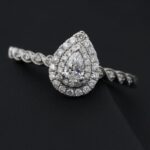
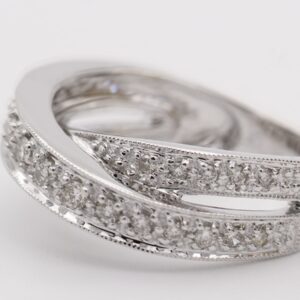
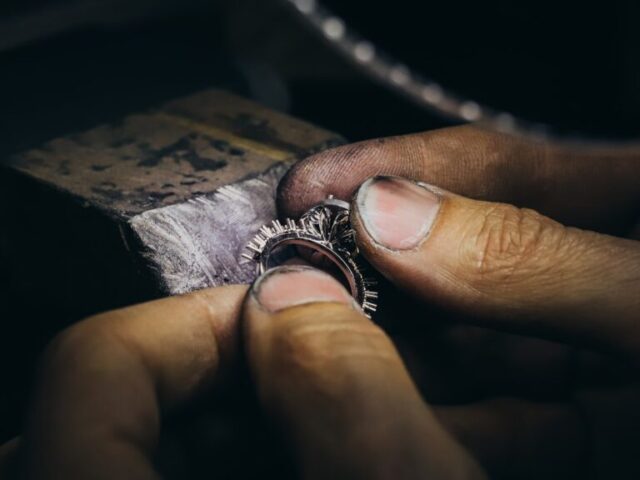
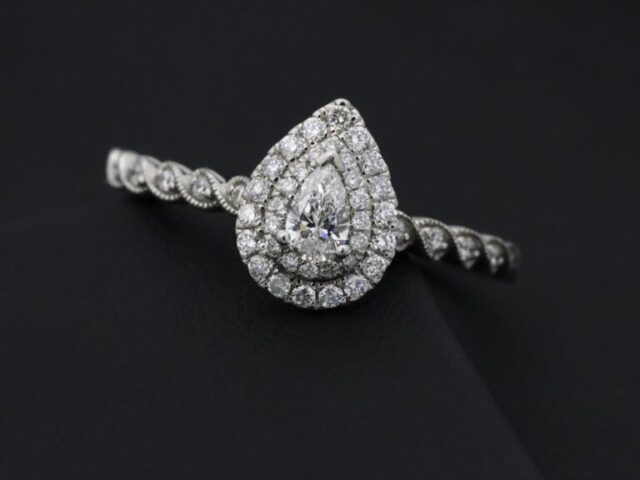
Solitaires, bands, signets and cocktail rings. Every shank is sized in the workshop rather than stretched, which is why a Lumina ring can be resized twice more in its life.
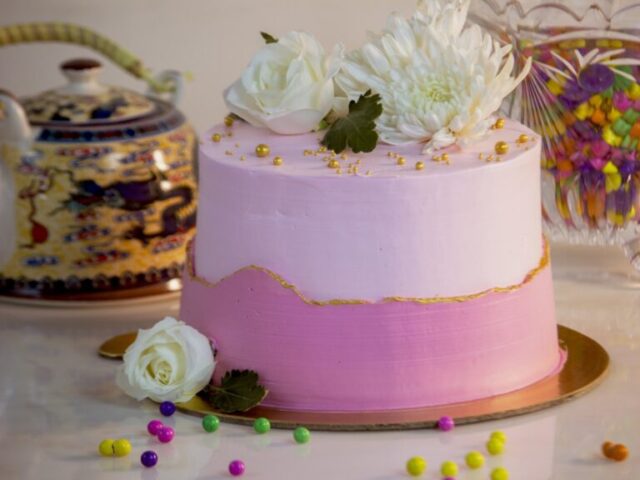
Eight cakes we make to order, in three sizes. Every one is baked the morning it is collected, which is why we ask for the date before the basket rather than after it.
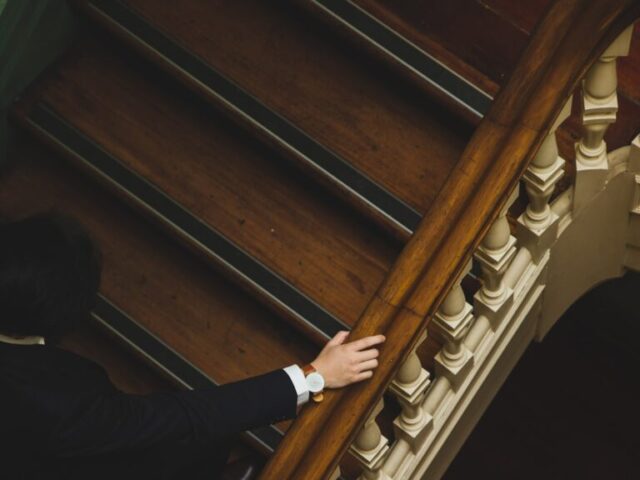
Mechanical watches assembled in Paris, in thirty-six and forty millimetres. Serviced by the workshop that built them, with parts held for the life of the house.